Answers to common plumbing questions — from handling an emergency to knowing when it’s time to call a plumber.


Call 24/7
Weekends & holidays included

Local Plumbers
Emergency repairs & installs in your area

Zero-Obligation Up-Front Quotes
Quote first, work second
Where can I turn off my home’s water during an emergency?


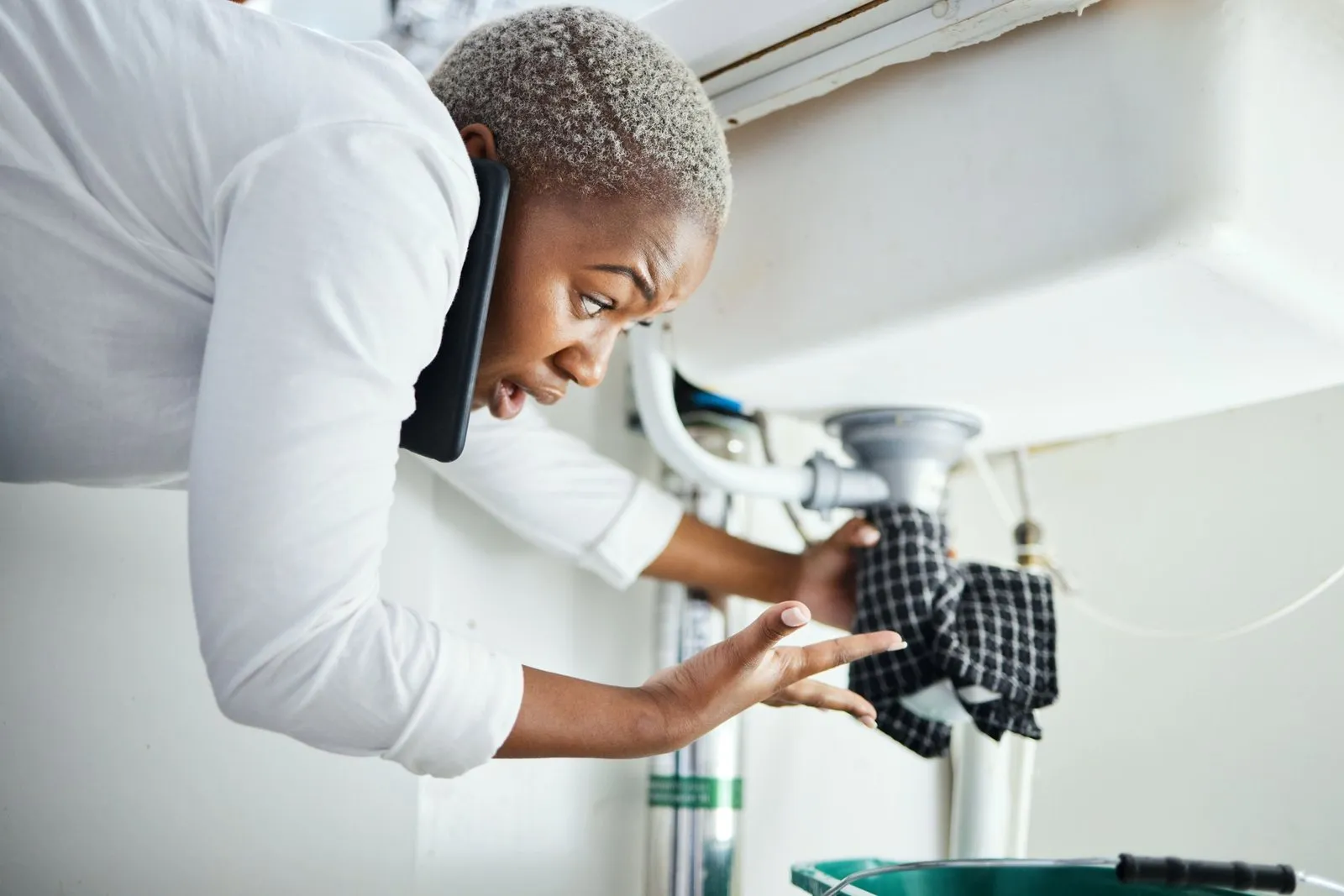
Find your home’s main water shut-off valve and turn it clockwise until it stops. Depending on the property, it may be located in a basement, garage, crawl space, utility area, or near the point where the main water line enters the house.
It’s a good idea to locate this valve before an emergency happens. Being able to shut the water off quickly can significantly reduce damage from a major leak or broken pipe.
What are the first steps to take after a pipe bursts?
Start by shutting off the main water supply. If water is close to electrical outlets, appliances, or the electrical panel, avoid the affected area until the electricity can be safely turned off.
Open faucets to relieve pressure remaining in the plumbing lines and, when safe, use buckets or towels to contain the water. Then contact a plumber to locate and repair the damaged section.
How can I stop water going to only one sink or toilet?
Most sinks and toilets have their own small shut-off valve located on the water supply line. For a sink, look underneath the cabinet; for a toilet, check behind or beside the tank.
Turn the valve clockwise to close it. If the valve is heavily corroded, stuck, or begins leaking when moved, don’t force it — use the main water shut-off instead.
What should I do when my water heater is leaking underneath?
First, shut off the heater’s energy source and close its incoming cold-water supply. Water collecting beneath a tank-style heater can indicate a leaking connection, drain valve, or deterioration of the tank itself.
If the tank has failed internally, replacement may be necessary. A plumber can determine where the water is coming from and whether repair is still practical.
Can chemical drain cleaners damage plumbing?
They can. Strong chemical cleaners may be particularly harsh on older pipes, joints, seals, and some plumbing materials. They may also provide only temporary relief without removing the underlying cause of the blockage.
For minor clogs, a plunger or appropriate drain snake is generally a better first step. Recurring blockages should be professionally inspected.
How can I deal with a slow drain without using harsh chemicals?
Start by removing any visible hair, soap buildup, or debris around the drain opening. A plunger or small hand auger can often clear a minor blockage located close to the fixture.
If the drain remains slow or repeatedly becomes clogged, the obstruction may be deeper in the plumbing system and require professional drain cleaning.
Why is there an unpleasant odor coming from my drain?
A dry P-trap is one common cause, especially in sinks, showers, or floor drains that aren’t used regularly. Running water for a short period can refill the trap and prevent sewer gases from entering the room.
Odors can also come from organic buildup inside the drain or problems with the plumbing vent system. Persistent sewer smells should be investigated.
Why are several drains backing up together?
When several fixtures are affected at the same time, the problem is usually larger than a single clogged drain. A blockage or damage in the home’s main sewer line may be restricting wastewater flow.
Avoid using unnecessary water until the problem is diagnosed. A plumber may use a sewer camera, drain-cleaning equipment, or hydro jetting depending on the cause.
What should and shouldn’t go into a garbage disposal?
Small amounts of soft food waste are generally easier for a disposal to handle when plenty of cold water is running.
Avoid grease, cooking oil, coffee grounds, expandable foods such as rice and pasta, fibrous vegetables, bones, fruit pits, and other hard materials. These can contribute to clogs or damage the disposal.
Why does my toilet continue running after I flush?
A worn flapper or faulty fill valve is a common cause. If the tank can’t maintain the correct water level, the toilet may continue refilling even when it hasn’t been used.
These components can often be replaced individually. If replacing them doesn’t solve the problem, another part of the flush assembly may need attention.
What causes a toilet to flush or drain slowly?
A partial obstruction inside the toilet trap is one possibility. A flange-style toilet plunger is usually a reasonable first step.
If plunging doesn’t work, a toilet auger may be needed. When there doesn’t appear to be a blockage, mineral buildup around the toilet’s rim jets can also weaken the flush.
Why does my toilet occasionally refill on its own?
This is sometimes called a “ghost flush.” It happens when water slowly escapes from the tank into the bowl until the fill valve switches on to restore the water level.
A worn flapper is one of the most common causes. If replacing it doesn’t fix the issue, the flush valve or another tank component may need repair.
Why does condensation form on the outside of my toilet tank?
During warm or humid weather, cold water inside the tank can cool the porcelain enough for moisture in the surrounding air to condense on its surface.
Occasional condensation can be normal. Persistent moisture, however, should be checked to make sure a leaking supply connection isn’t being mistaken for condensation.
Why is my water heater making popping or rumbling sounds?
Mineral sediment can collect at the bottom of a tank-style water heater. Water trapped around this buildup can create popping or rumbling noises as it heats.
Heavy sediment can reduce efficiency and place additional stress on the system. Regular maintenance and flushing can help, depending on the heater and its condition.
What is the typical lifespan of a water heater?
Traditional tank water heaters commonly last around 8–12 years, while properly maintained tankless systems can often remain in service considerably longer.
Actual lifespan depends on water quality, maintenance, installation, usage, and the equipment itself. An older heater showing leaks, corrosion, or declining performance should be inspected.
Why doesn’t my hot water last as long as it used to?
Sediment buildup can reduce the usable capacity of a tank. Other possibilities include a damaged dip tube, a failing heating element in an electric unit, or burner-related problems in a gas heater.
If basic maintenance doesn’t restore performance, the system should be diagnosed to identify the actual cause.
Should I choose a tankless or traditional water heater?
Traditional tank systems generally cost less to install and keep a stored supply of hot water ready for use. Tankless systems heat water on demand, take up less space, and can offer a longer service life.
The better choice depends on your household’s hot-water demand, available utilities, installation requirements, budget, and how long you expect to stay in the home.
Why did my water bill suddenly increase?
An unexpected increase may indicate water is escaping somewhere in the system. Running toilets, dripping fixtures, irrigation leaks, and hidden supply-line leaks are common possibilities.
One basic check is to stop using water throughout the home and watch the water meter. Continued movement may indicate a leak that needs further investigation.
Why is the water pressure low throughout my home?
If only one faucet has low pressure, the problem may simply be mineral buildup in its aerator. When multiple fixtures are affected, possible causes include a partially closed main valve, pressure-regulator problems, aging pipes, mineral buildup, or a hidden leak.
A plumber can test the system and determine where the pressure loss is occurring.
What are the warning signs of a hidden water leak?
Watch for unexplained increases in water usage, damp spots on walls or ceilings, musty odors, mold, unusual warm areas on floors, or the sound of running water when fixtures are off.
You can also check the water meter after turning off water-using fixtures and appliances. Meter activity while everything is off may indicate water is escaping somewhere.
Why do my pipes bang when I quickly turn off the water?
This is commonly known as water hammer. It occurs when moving water suddenly stops inside the pipe, creating a pressure shock that can cause pipes to knock or vibrate.
Water-hammer arrestors and other plumbing adjustments can help control the pressure change.
Repeated or severe banging should be inspected because ongoing movement can place stress on fittings and connections.
How can I protect my plumbing from freezing?
Disconnect outdoor hoses before freezing weather and shut off exterior water lines when your plumbing system allows it. Pipes in unheated areas can also benefit from proper insulation.
During severe cold, keeping indoor spaces warm and allowing warm air to circulate around plumbing on exterior walls can reduce the risk of freezing.
Is hard water something I should be concerned about?
Hard water contains elevated levels of minerals such as calcium and magnesium. While hardness itself is generally not considered a health concern, mineral deposits can build up on fixtures and inside appliances and plumbing equipment.
Water softening or conditioning systems may be useful when mineral buildup becomes a recurring problem.
How frequently should residential plumbing be inspected?
There isn’t one schedule that works for every property. The age of the home, pipe materials, previous plumbing problems, water quality, and condition of the sewer line all affect how often inspections make sense.
Older homes and properties with recurring leaks or drainage problems may benefit from more frequent professional inspections.
How do I know when an older house needs to be repiped?
Frequent pipe leaks, rusty or discolored water, deteriorated pipe materials, and consistently poor water pressure can all indicate that an aging plumbing system is approaching the end of its useful life.
A plumber can inspect the existing supply lines and determine whether individual repairs still make sense or whether replacing larger sections of the system would be more practical.